Understanding AMP1015AU: A Complete Guide to the Dexus Core Property Fund
The investment code AMP1015AU represents the Dexus Core Property Fund – Class A (Wholesale). This fund was created to provide investors with access to a professionally managed portfolio of high-quality commercial properties, both within Australia and internationally. Its main goal has been to deliver consistent income and long-term capital growth through a combination of unlisted property investments and listed real estate securities.
The fund has served as an important bridge between individual investors and institutional-grade property assets that would normally require millions of dollars to access directly. Through AMP1015AU, investors gained exposure to shopping centers, office buildings, industrial facilities, and even global property securities.
However, the fund entered a wind-up phase in late 2024, meaning it has stopped accepting new investors and is now in the process of selling off assets and returning capital to existing unitholders. Understanding the fund’s structure, strategy, and performance helps investors learn how such real estate funds operate and what lessons can be drawn from their lifecycle.
The Purpose and Objective of the Fund

The primary objective of AMP1015AU was to generate income and capital growth over a rolling three-year period. The fund invested in two main areas:
- Australasian unlisted real estate, which includes direct ownership of properties such as shopping centers, offices, and warehouses.
- Listed real estate securities, which provided diversification and liquidity by investing in publicly traded property companies and trusts.
This dual structure gave the fund a balanced risk-return profile. Direct property investments provided stability and reliable rental income, while listed property securities offered potential for quicker capital appreciation and the flexibility to rebalance the portfolio.
The investment timeframe for AMP1015AU was designed for at least five years, emphasizing its long-term nature. Like most real estate investments, it was not meant for short-term speculation but for steady, managed growth and income generation.
Fund Structure and How It Operates
AMP1015AU was structured as an unlisted managed fund, meaning it was not traded on public exchanges. Instead, investors bought units in the fund through registered financial platforms or investment advisers. Each unit represented a share of the fund’s underlying property portfolio.
The fund’s assets were managed by Dexus, a leading Australian property group known for its large-scale commercial property holdings and management expertise. Through Dexus, investors indirectly owned portions of high-quality office buildings, retail centers, and industrial estates across Australasia.
Since unlisted property assets cannot be sold quickly, the fund’s structure included periodic review cycles for redemptions and valuations. Liquidity was more limited compared to listed property trusts, but the trade-off was access to prime properties and potentially higher yields.
By late 2024, Dexus announced the termination and wind-up of the fund. During this phase, all assets were gradually sold, and proceeds were distributed to investors. The process also included ongoing management of leases and maintenance to ensure optimal asset sales.
Historical Performance Overview
Over its operational life, the Dexus Core Property Fund delivered steady, long-term returns through rental income and property value appreciation. Performance varied over the years depending on property market cycles, but it generally achieved returns consistent with its moderate-to-high risk classification.
Annualized returns over ten years averaged around 5% per annum, reflecting both direct property income and capital growth. During stronger real estate markets, returns exceeded 8% in certain years.
Importantly, the fund’s returns were always after management fees, ensuring transparency for investors. However, as the fund entered its wind-up phase, performance figures shifted to focus on capital preservation and orderly asset liquidation.
The fund’s size at the time of wind-up exceeded 200 million Australian dollars, reflecting significant investor participation over its lifetime.
Portfolio Composition and Asset Allocation

The AMP1015AU portfolio maintained a diversified property mix across several major asset classes:
- Office properties: Prime office buildings located in major cities such as Sydney and Melbourne.
- Industrial and logistics: Warehouses, distribution centers, and industrial parks catering to Australia’s growing e-commerce and logistics sectors.
- Retail assets: Shopping centers and retail precincts with stable tenant occupancy.
- Alternatives and global exposure: Investments in global property securities and niche real estate sectors such as healthcare, data centers, and life-science facilities.
Diversification was a key element of the fund’s strategy. By holding a range of property types and geographical exposures, the fund mitigated risks from market volatility in any single sector.
This structure also allowed investors to benefit from income stability, as declines in one property type (for example, retail) could be offset by stronger performance in another (such as industrial logistics).
Real-World Examples Related to AMP1015AU
Unlisted Direct Property Holdings
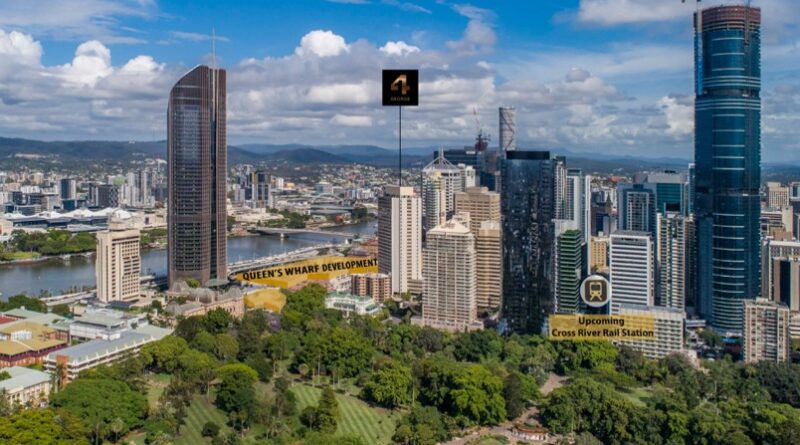
The fund’s unlisted property portfolio included ownership stakes in premium commercial assets. These properties generated regular rental income from high-quality tenants. This form of investment offers reliable cash flow and long-term value appreciation as property values grow.
Investors in AMP1015AU indirectly participated in these holdings through their unit ownership, enjoying professional property management without the need to handle leasing or maintenance themselves.
Listed Property Securities Exposure
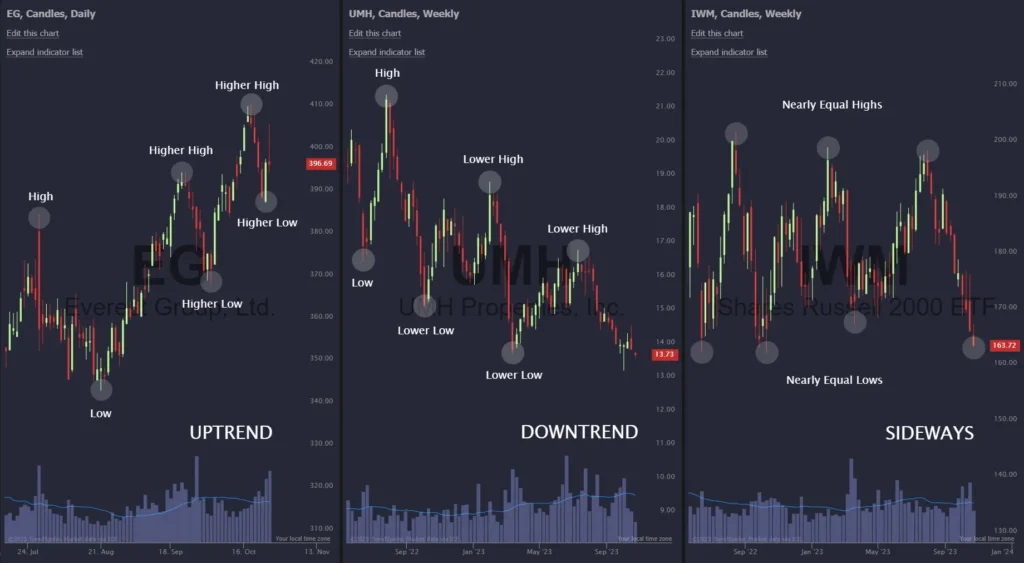
In addition to its unlisted assets, AMP1015AU invested in listed real estate investment trusts (REITs) around the world. These investments added liquidity and allowed the fund to quickly adjust exposure in response to market conditions.
This combination of unlisted and listed assets balanced stability with flexibility, offering investors an attractive risk-return profile that pure direct property ownership could not provide.
The Wind-Up and Asset Realization Process
When the fund began winding up, Dexus implemented a structured plan to sell assets, repay investors, and close the fund. This process demonstrated how real estate funds handle the end of their lifecycle maintaining property operations while selling strategically to preserve investor value.
This real-world case offers valuable insights into liquidity management and exit planning for property investors.
Benefits of AMP1015AU and Similar Funds
Access to Institutional-Grade Property
Investing in AMP1015AU allowed individuals to own part of large-scale properties that are normally restricted to institutional investors. This democratization of access meant that smaller investors could enjoy the benefits of large commercial assets through pooled investment.
Diversification and Risk Management
The fund combined multiple property types across regions, reducing exposure to any single market downturn. The addition of global listed property securities further diversified risk across different economies.
Professional Management
Dexus’s experience in managing large property portfolios ensured that each asset received expert care in leasing, tenant selection, and long-term maintenance. This professional oversight helped maintain occupancy and value.
Income and Capital Growth Potential
The fund distributed income derived from property rent while also aiming for capital growth as property values increased. This blend of income and appreciation made it attractive for investors seeking both stability and moderate growth.
Transparency Through Technology
Modern real estate funds, including AMP1015AU, use digital tools for reporting and management. Investors could access detailed reports, valuation summaries, and performance updates through online dashboards.
The Role of Technology in Property Fund Management
Digital Portals and Data Access
Technology enables investors to track their investments in real time. Through online platforms, unitholders could view performance reports, property valuations, and updates on the fund’s wind-up progress.
Data Analytics for Better Decision-Making
Property fund managers rely heavily on analytics to monitor tenant behavior, lease expiries, market demand, and regional growth patterns. These insights help optimize asset allocation, determine the right time to sell, and minimize risks.
Automation and Administrative Efficiency
Automation tools simplify reporting, compliance, and investor communication. This reduces human error and ensures that critical updates such as valuation changes or distribution notices—are delivered promptly.
Risk and Liquidity Management Systems
As AMP1015AU transitioned into its wind-up phase, technology played a key role in tracking sales progress, liquidity status, and investor payments, ensuring the process remained transparent and efficient.
Practical Use Cases of AMP1015AU-Type Investments
Diversified Real Estate Exposure for Individual Investors
An individual investor looking for exposure to the commercial property market without managing physical assets could invest in AMP1015AU. Through the fund, they gained access to a diverse range of real estate types managed by professionals.
Retirement Investors Seeking Stable Income
Many investors nearing retirement use property funds for consistent rental income distributions. The Dexus Core Property Fund met this demand by offering quarterly income from property leases, suitable for income-focused strategies.
Institutional Investors Balancing Portfolios
Superannuation funds and institutions often require stable, inflation-protected income streams. Property funds like AMP1015AU provide such stability while reducing exposure to stock market volatility.
Investors Transitioning from Direct Property Ownership
Some property owners choose to sell individual assets and reinvest in managed property funds to reduce management burdens. AMP1015AU offered a professionally managed alternative with diversification and passive income.
Key Risks and Considerations
Although AMP1015AU offered many advantages, investors also faced several important risks:
- Liquidity Risk: Unlisted property funds are less liquid than listed securities. Exiting an investment requires waiting for redemption windows or asset sales.
- Market Risk: Commercial property values fluctuate with economic conditions, interest rates, and tenant demand.
- Valuation Risk: Property valuations are performed periodically and may not reflect real-time market changes.
- Concentration Risk: While diversified, the fund remained primarily focused on property, exposing it to sector downturns.
- Fee Structure: Management fees, valuation costs, and property maintenance expenses can affect net returns.
- Wind-Up Risk: During termination, investors depend on asset sale performance for their final distributions.
Understanding these risks is essential before investing in similar unlisted property vehicles.
Summary
The Dexus Core Property Fund, identified by the code AMP1015AU, exemplifies how unlisted property funds operate in Australia. It provided investors with access to institutional-grade assets, diversification across property sectors, and professional management from one of the country’s top property firms.
Its blend of unlisted and listed property holdings allowed investors to enjoy the stability of real estate income along with some flexibility from liquid property securities. Even as it moved into its wind-up phase, AMP1015AU remained a case study in transparency, management, and structured exit planning.
Funds like this continue to play a crucial role in the investment landscape, offering balanced exposure to tangible assets that deliver both income stability and long-term growth potential.
Frequently Asked Questions
1. What does AMP1015AU stand for?
It is the unique fund code (APIR code) for the Dexus Core Property Fund – Class A. Each managed fund in Australia has an APIR code for identification and administration purposes.
2. Why is the fund in wind-up mode?
The responsible entity decided to terminate the fund after assessing market conditions and liquidity requirements. During the wind-up, the fund’s properties are sold, and proceeds are returned to investors.
3. Who is the fund suitable for?
It suits investors seeking long-term exposure to real estate, steady rental income, and diversification beyond traditional stocks and bonds. However, it’s best for those comfortable with medium to long-term horizons and limited liquidity.