Shopping Center Management: Complete Guide to Effective Retail Property Operations
Shopping center management is a multifaceted discipline that involves the coordination of various functions to ensure a retail property operates smoothly, profitably, and sustainably. It is far more than property maintenance; it encompasses leasing, marketing, tenant relations, financial planning, and technology integration.
In today’s retail environment, shopping centers serve as dynamic hubs of commerce, entertainment, and community interaction. Managing such properties requires expertise in balancing the needs of tenants, shoppers, and investors. Effective management not only enhances customer experience but also ensures strong financial returns for property owners.
The Role and Purpose of Shopping Center Management
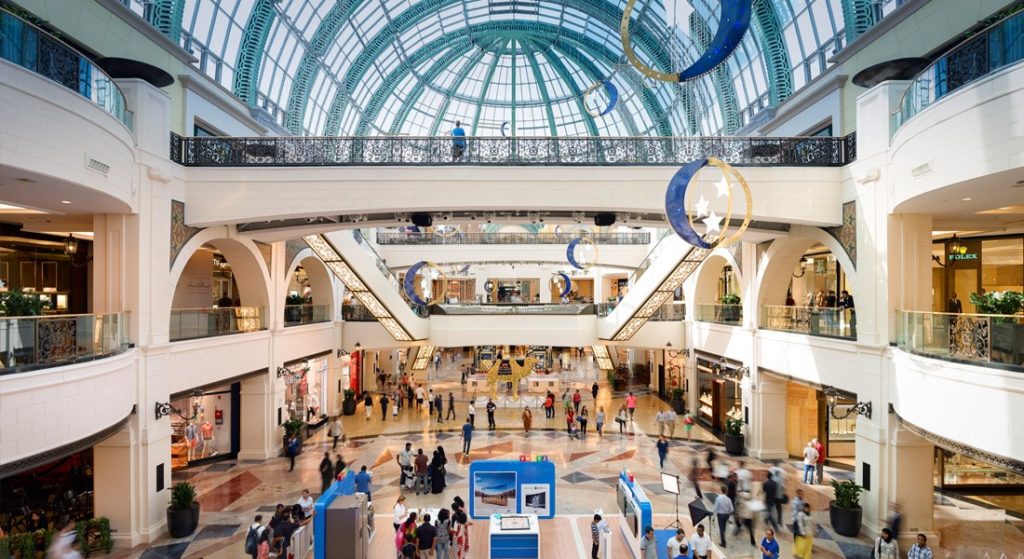
The primary goal of shopping center management is to maintain the property’s value and profitability while fostering a vibrant shopping environment. Managers oversee leasing arrangements, daily operations, maintenance, marketing activities, and financial reporting.
A successful shopping center must attract foot traffic, support retailers, and deliver consistent returns. Management ensures that every element from lighting and signage to tenant mix and promotional events contributes to these objectives.
Shopping center managers act as both strategists and operators, ensuring that decisions made today align with long-term asset performance.
Core Functions of Shopping Center Management
Tenant Mix and Leasing Strategy

Leasing is the backbone of any shopping center’s financial structure. The right tenant mix determines the success of the entire property. Managers analyze local demographics, consumer trends, and competitor centers to curate a balance of anchor stores, specialty retailers, dining, and service-oriented tenants.
A good mix draws steady foot traffic, encourages longer visits, and increases overall sales. Managers must also negotiate leases that are beneficial for both tenants and landlords, including rent terms, maintenance responsibilities, and renewal clauses.
Periodic reviews of performance metrics such as sales per square foot and occupancy rates allow managers to identify underperforming categories and make informed adjustments. A well-curated tenant mix keeps the shopping center relevant and competitive in an evolving retail landscape.
Operations and Facility Management

Behind every successful retail property is a strong operational framework. Facility management covers all physical and service aspects from cleaning, lighting, and air conditioning to escalators, parking areas, and security.
A well-maintained environment directly affects customer satisfaction and tenant performance. Modern shopping centers incorporate smart building systems that monitor energy use, detect maintenance needs, and optimize resource allocation.
Preventive maintenance, sustainability initiatives, and real-time response protocols are key to maintaining high standards of safety, cleanliness, and comfort. Efficient operations also control costs and protect the asset’s long-term value.
Marketing, Events, and Visitor Engagement
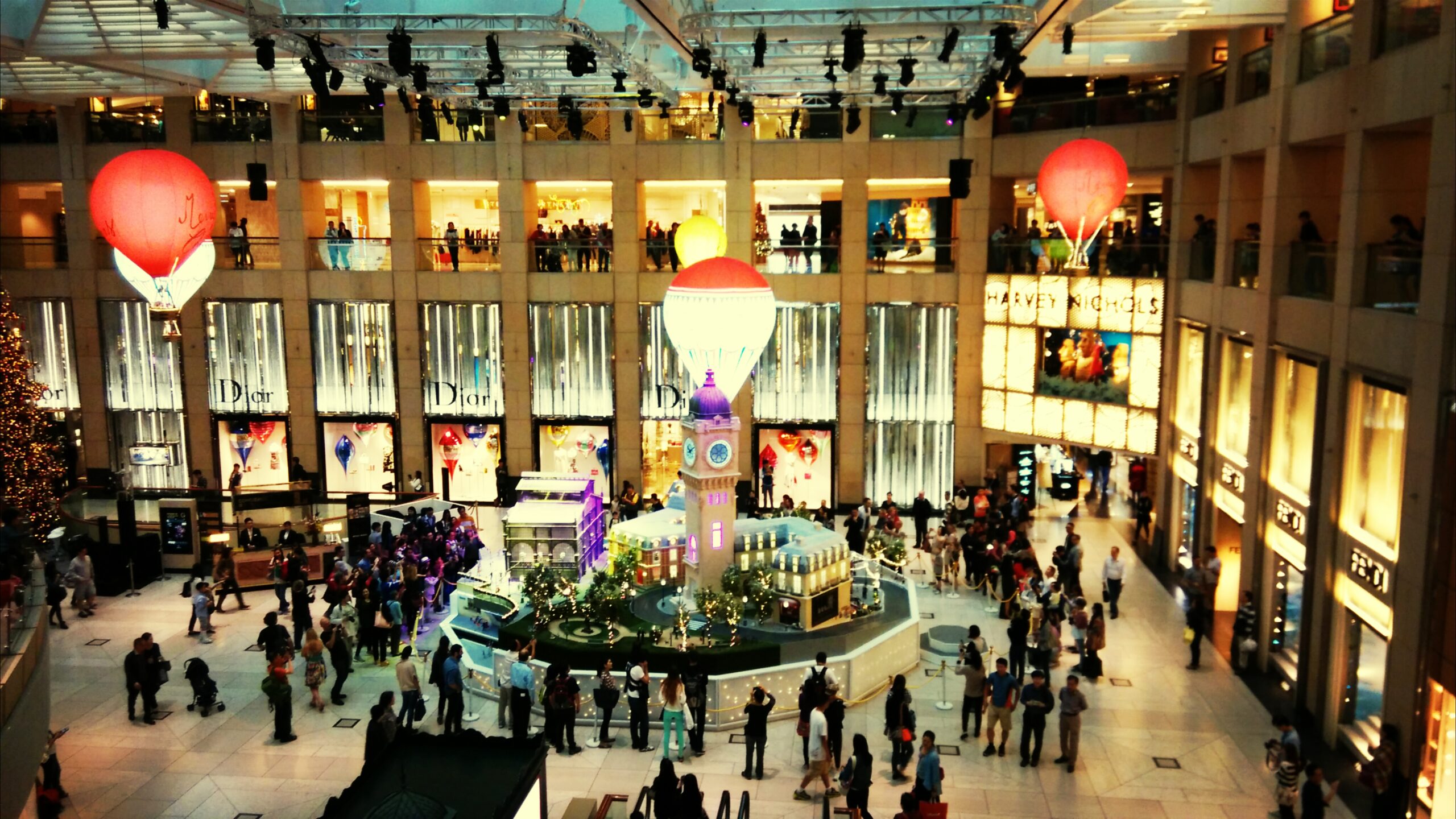
Marketing is essential to drive traffic and build brand identity. A shopping center’s management team develops marketing campaigns, organizes events, and collaborates with tenants to attract visitors.
Seasonal festivals, themed promotions, influencer campaigns, and loyalty programs help keep the center lively and relevant. Events such as fashion shows, food markets, or music performances not only boost short-term sales but also enhance the community connection.
Visitor engagement strategies increasingly rely on digital tools, mobile apps, social media content, and digital signage to reach customers and provide personalized experiences. Consistent marketing keeps the shopping center at the top of consumers’ minds and fosters repeat visits.
Financial Planning and Performance Optimization
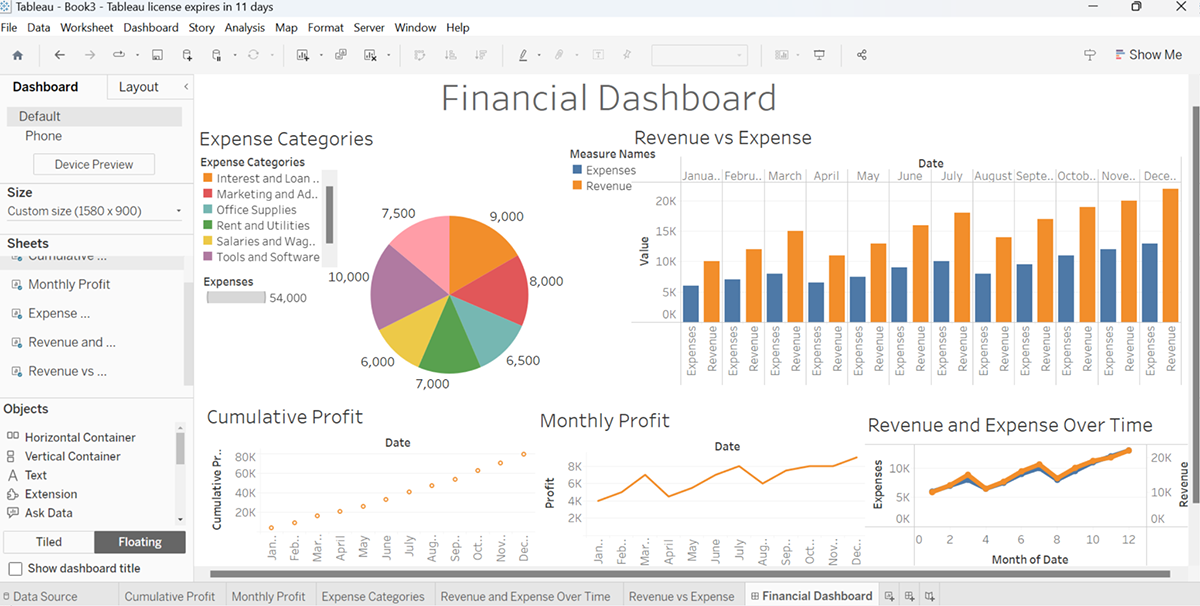
Financial management is a cornerstone of shopping center operations. Managers are responsible for budgeting, forecasting, rent collection, common area maintenance (CAM) charges, and expense control.
By analyzing revenue streams and cost structures, managers can identify opportunities to enhance profitability. Key performance indicators (KPIs) include occupancy rates, average rent per square foot, and net operating income (NOI).
Regular financial reporting provides transparency for investors and helps guide long-term asset planning. Strategic capital expenditure, such as upgrades to facilities or technology, also plays an important role in maintaining competitiveness and value appreciation.
The Importance of Technology in Modern Shopping Center Management
Technology has transformed how shopping centers operate. Modern management systems integrate data analytics, automation, and communication tools to improve efficiency and insight.
Data-Driven Decision Making
Digital platforms collect data from multiple sources, including visitor counts, dwell times, tenant sales, and energy usage. These insights allow managers to make informed decisions about leasing, marketing, and space utilization.
For instance, heat maps from sensors can reveal high-traffic zones, guiding placement of kiosks or promotional activities. Predictive analytics can help anticipate maintenance needs before costly failures occur.
Integrated Building Management Systems
Smart building technology enables centralized control of lighting, HVAC, and security systems. Automated adjustments reduce energy consumption and improve operational reliability. Real-time monitoring ensures quick responses to equipment issues, improving both safety and sustainability.
Enhanced Tenant and Visitor Experience
Technology also strengthens communication between management and tenants through digital portals, while shoppers benefit from features like interactive maps, mobile loyalty programs, and digital parking management. These enhancements make shopping centers more convenient, attractive, and competitive.
Real-World Examples of Shopping Center Management in Action
Redeveloping an Aging Mall into a Mixed-Use Hub
A suburban mall built in the early 1990s faced declining occupancy due to changing retail trends. The management team implemented a major redevelopment strategy, adding co-working spaces, boutique offices, entertainment zones, and restaurants.
This transformation repositioned the center as a lifestyle destination rather than a traditional retail complex. The project increased visitor dwell time, attracted new tenants, and significantly improved rental yields.
By integrating retail, dining, and workspace experiences, the center achieved renewed relevance and community value.
Using Smart Systems to Enhance Efficiency
A large urban shopping center adopted a smart facility management platform that used IoT sensors to monitor HVAC systems, escalators, and lighting. The system automatically adjusted energy usage based on occupancy and reported maintenance alerts in real-time.
This approach reduced operational costs by 15% and improved tenant satisfaction through consistent service levels. Managers could also generate reports that helped investors assess performance metrics more accurately.
This example demonstrates how technology enhances operational precision and sustainability in modern shopping centers.
Community Engagement and Local Integration
A neighborhood shopping center took a community-focused approach to management. By hosting weekly farmers markets, local art exhibitions, and school fundraisers, the center became a vital social hub.
Local engagement increased loyalty among residents and improved weekend foot traffic by nearly 30%. Tenants reported higher sales, and the center strengthened its reputation as a community cornerstone rather than just a retail location.
This illustrates how management strategies that foster emotional connections can deliver measurable business results.
Benefits of Effective Shopping Center Management
The advantages of skilled shopping center management extend to all stakeholders: investors, tenants, and consumers alike.
For Investors
- Enhanced Asset Value: Efficient management increases rental income, reduces vacancies, and improves return on investment.
- Long-Term Stability: Proactive maintenance and tenant satisfaction contribute to steady, predictable revenue.
- Data Transparency: Modern reporting tools provide accurate financial and operational insights for decision-making.
For Tenants
- Improved Foot Traffic: A well-managed property attracts more visitors, directly benefiting retailers.
- Operational Support: Managers assist tenants with marketing collaboration, maintenance, and logistics coordination.
- Community Environment: Engaging events and shared amenities encourage customer loyalty and collaboration among tenants.
For Consumers
- Better Experience: Clean, safe, and visually appealing spaces enhance comfort and enjoyment.
- Convenience: Clear signage, easy parking, and diverse retail offerings improve accessibility.
- Entertainment and Connection: Events, dining, and leisure spaces turn shopping trips into memorable experiences.
Ultimately, effective management creates a positive ecosystem that benefits everyone involved.
How Shopping Center Management Solves Real Challenges
Addressing Declining Foot Traffic
A regional mall noticed a 20% drop in foot traffic over two years. The management analyzed consumer behavior and discovered that outdated tenant mix and lack of experiential offerings were major factors.
The solution involved introducing entertainment zones, wellness services, and dining pavilions. A refreshed marketing strategy and digital engagement campaign attracted younger demographics. Within 12 months, visitor numbers rebounded and occupancy increased.
This demonstrates how active management can reverse performance decline by understanding and adapting to consumer needs.
Enhancing Sustainability Performance
A shopping center seeking to reduce costs and environmental impact implemented LED lighting, waste recycling, and solar panels managed through a centralized system.
Energy savings lowered operational expenses and aligned the property with green certification standards. Tenants appreciated the reduced utility costs and eco-conscious brand image.
This case highlights how sustainability initiatives benefit both finances and reputation, solidifying the shopping center’s long-term market position.
Improving Tenant Relations
A mixed-use complex faced frequent tenant complaints about slow maintenance response and communication gaps. Management introduced a tenant service app for issue reporting, updates, and feedback tracking.
Response times improved significantly, and tenants felt more involved in the property’s operations. This strengthened relationships, reduced turnover, and fostered collaboration between management and retailers.
Open communication is a key factor in long-term tenant retention and operational harmony.
Future Trends in Shopping Center Management
Shopping centers are evolving beyond retail; they are becoming integrated lifestyle destinations that blend commerce, leisure, and community.
Future management strategies will focus on:
- Mixed-Use Integration: Combining residential, office, and entertainment spaces to maximize utilization.
- Sustainability Initiatives: Implementing green designs, renewable energy, and waste reduction programs.
- Technology Adoption: Expanding use of data analytics, artificial intelligence, and mobile platforms.
- Experience-Driven Spaces: Creating immersive environments through design, events, and cultural engagement.
Managers who adapt to these trends will ensure their properties remain profitable and relevant in a rapidly changing retail world.
Conclusion
Shopping center management is both an art and a science requiring a balance between financial precision, creative marketing, and operational excellence. A well-managed center goes beyond being a shopping destination; it becomes a thriving community and a resilient investment asset.
By leveraging data, technology, and strong relationships, modern shopping center managers can navigate challenges, improve performance, and shape the future of retail property operations.
Frequently Asked Questions
1. What is the primary role of a shopping center manager?
The shopping center manager oversees all aspects of property operations, including leasing, maintenance, marketing, tenant relations, and financial management, to ensure profitability and customer satisfaction.
2. How does technology improve shopping center management?
Technology enhances efficiency through data analytics, automation, and real-time monitoring. It helps managers make informed decisions, reduce costs, and deliver better tenant and visitor experiences.
3. What factors make a shopping center successful?
A balanced tenant mix, strong marketing, clean and safe facilities, effective financial management, and a positive community atmosphere are key to long-term success and sustainability.