Industrial Property Management: Comprehensive Guide, Strategies, and Real-World Innovations
Industrial property management refers to the professional oversight of industrial real estate assets such as warehouses, manufacturing plants, distribution centers, and logistics facilities. This field ensures that all operational, financial, and maintenance activities within an industrial property function optimally. Unlike commercial or residential management, industrial property management deals with large-scale infrastructure, compliance with industry standards, and long-term tenant relationships.
Managers in this sector are responsible for balancing tenant satisfaction with operational efficiency. They handle lease negotiations, ensure compliance with safety and environmental regulations, maintain mechanical systems, and often oversee technological integrations like smart facility systems. As global supply chains evolve, the demand for well-managed industrial properties has grown rapidly particularly in regions supporting e-commerce fulfillment and global logistics operations.
The Growing Importance of Industrial Property Management
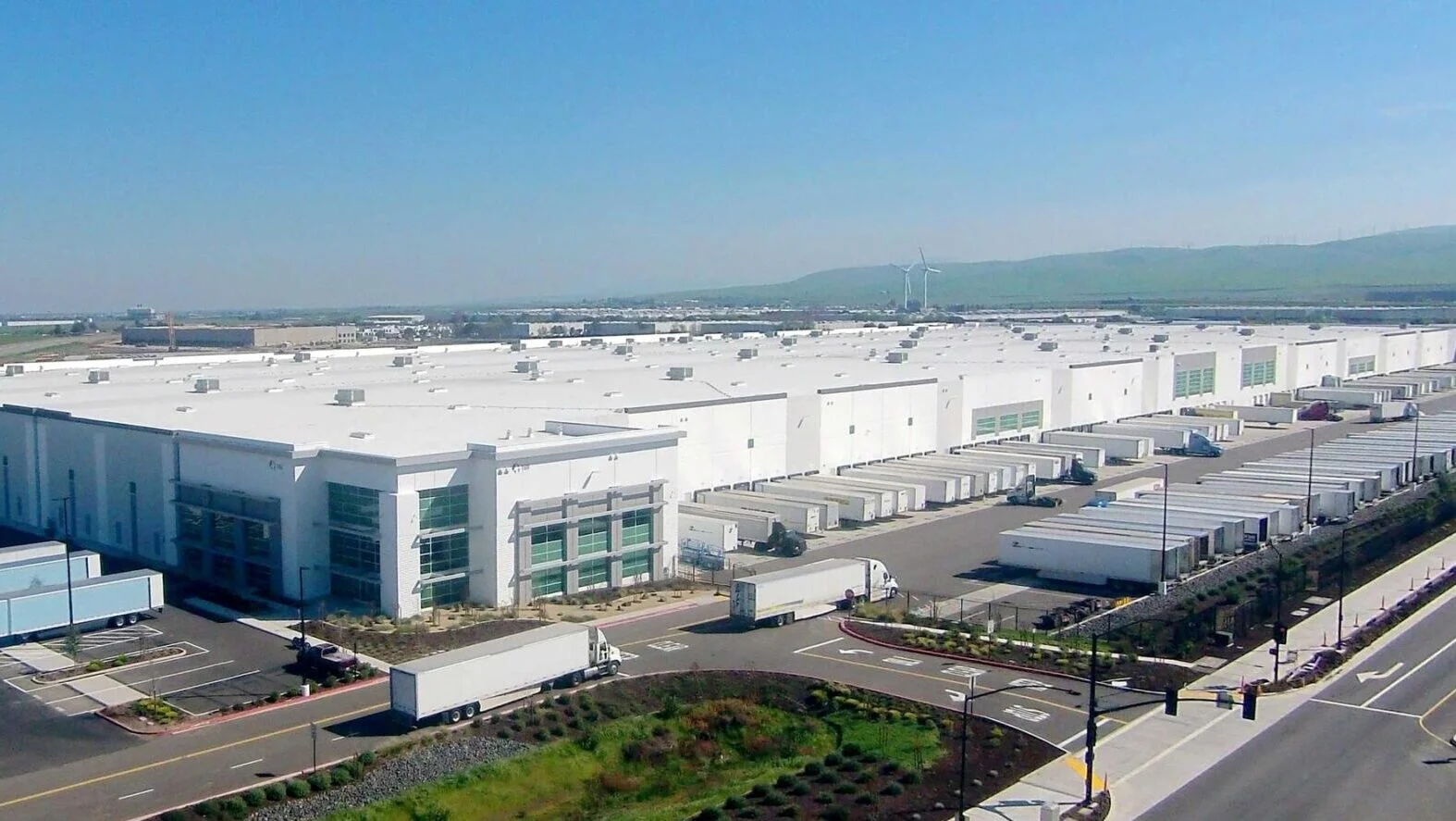
Over the past decade, the rise of online retail and the globalization of logistics networks have driven immense growth in industrial property demand. Businesses increasingly rely on strategically located warehouses and manufacturing facilities to optimize their supply chains. This growth means investors and owners must rely on experienced industrial property managers to maintain and enhance asset value.
Effective management enhances property performance by reducing downtime, optimizing maintenance schedules, and implementing sustainability strategies. It’s not just about physical upkeep; it’s about ensuring the facility contributes to the broader business ecosystem energy efficiency, technological integration, and operational reliability all play critical roles in this process.
Key Functions in Industrial Property Management
Lease and Tenant Management
Industrial property managers oversee lease agreements and ensure tenant compliance with operational and maintenance standards. Unlike office spaces, industrial leases may include heavy machinery, hazardous materials, or long-term operational commitments. A manager must understand the business nature of each tenant to craft mutually beneficial contracts and avoid legal or environmental risks.
Maintenance and Facility Operations
Proactive maintenance is central to preserving property value. Managers coordinate with vendors for HVAC systems, loading docks, lighting, and structural upkeep. The use of predictive maintenance technologies now allows real-time monitoring of systems, minimizing downtime and reducing repair costs.
Financial Oversight
A core responsibility is ensuring financial performance through budgeting, rent collection, and forecasting. Data-driven management software helps track expenses, revenue, and market trends, ensuring profitability for property owners while maintaining fair lease terms for tenants.
Compliance and Risk Management
Industrial properties often face strict regulations including zoning laws, environmental safety, and labor standards. Property managers ensure adherence to all compliance requirements to avoid penalties and protect stakeholder interests.
Leveraging Technology in Industrial Property Management
Technology has revolutionized the way industrial assets are managed. From smart sensors to cloud-based management systems, these tools enhance operational efficiency, transparency, and cost-effectiveness.
Smart Building Systems
IoT (Internet of Things) devices enable property managers to monitor systems such as temperature, humidity, and energy consumption remotely. Automated alerts can prevent equipment failure or detect safety issues early.
Data Analytics and Predictive Maintenance
Advanced analytics help managers anticipate maintenance needs before they become costly problems. Predictive systems use real-time data to identify patterns and optimize asset lifespan.
Cloud-Based Management Software
Modern property management software centralizes lease data, maintenance requests, and tenant communication. It allows for remote access and seamless collaboration between teams across multiple sites.
Real-World Examples of Technology in Industrial Property Management
Yardi Voyager Industrial
Yardi Voyager Industrial is a comprehensive platform designed specifically for managing large-scale industrial real estate portfolios. It provides integrated solutions for leasing, maintenance, accounting, and compliance tracking. The system’s real-time analytics enable property managers to monitor performance across multiple sites simultaneously.
Relevance: Yardi helps property managers streamline data management, optimize operational budgets, and enhance communication between owners and tenants. By providing automated reporting, it reduces manual workloads and increases accuracy in decision-making.
MRI Software for Industrial Assets
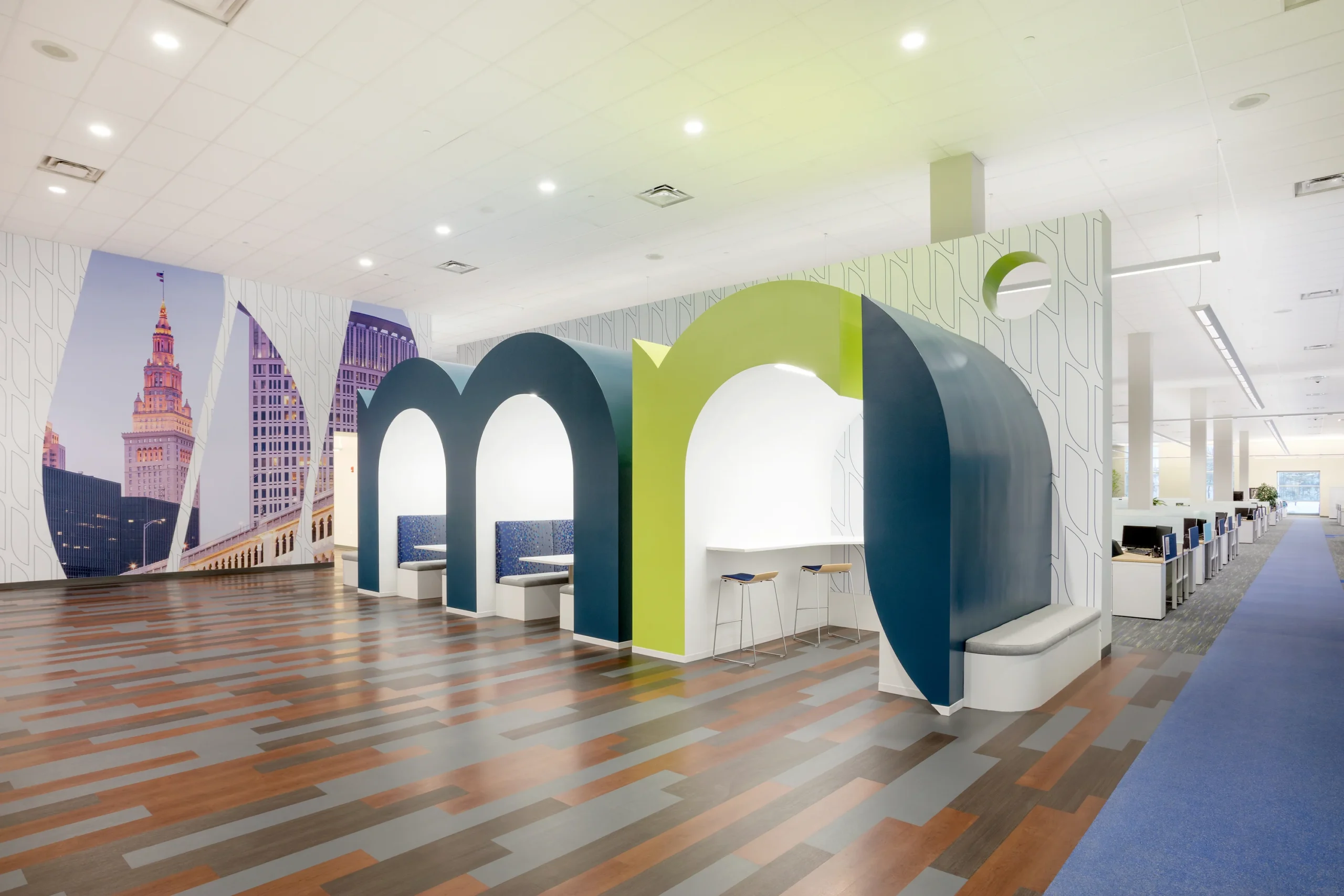
MRI Software is widely used in the industrial property management sector. Its cloud-based solution allows managers to handle leases, maintenance logs, and asset tracking within one interface. It also includes advanced visualization tools for mapping industrial sites and monitoring energy consumption.
Relevance: This platform supports property owners managing large-scale distribution centers by offering predictive insights into maintenance needs. It minimizes operational risks and supports sustainability initiatives through real-time energy tracking.
Prologis Essentials Smart Building Solutions
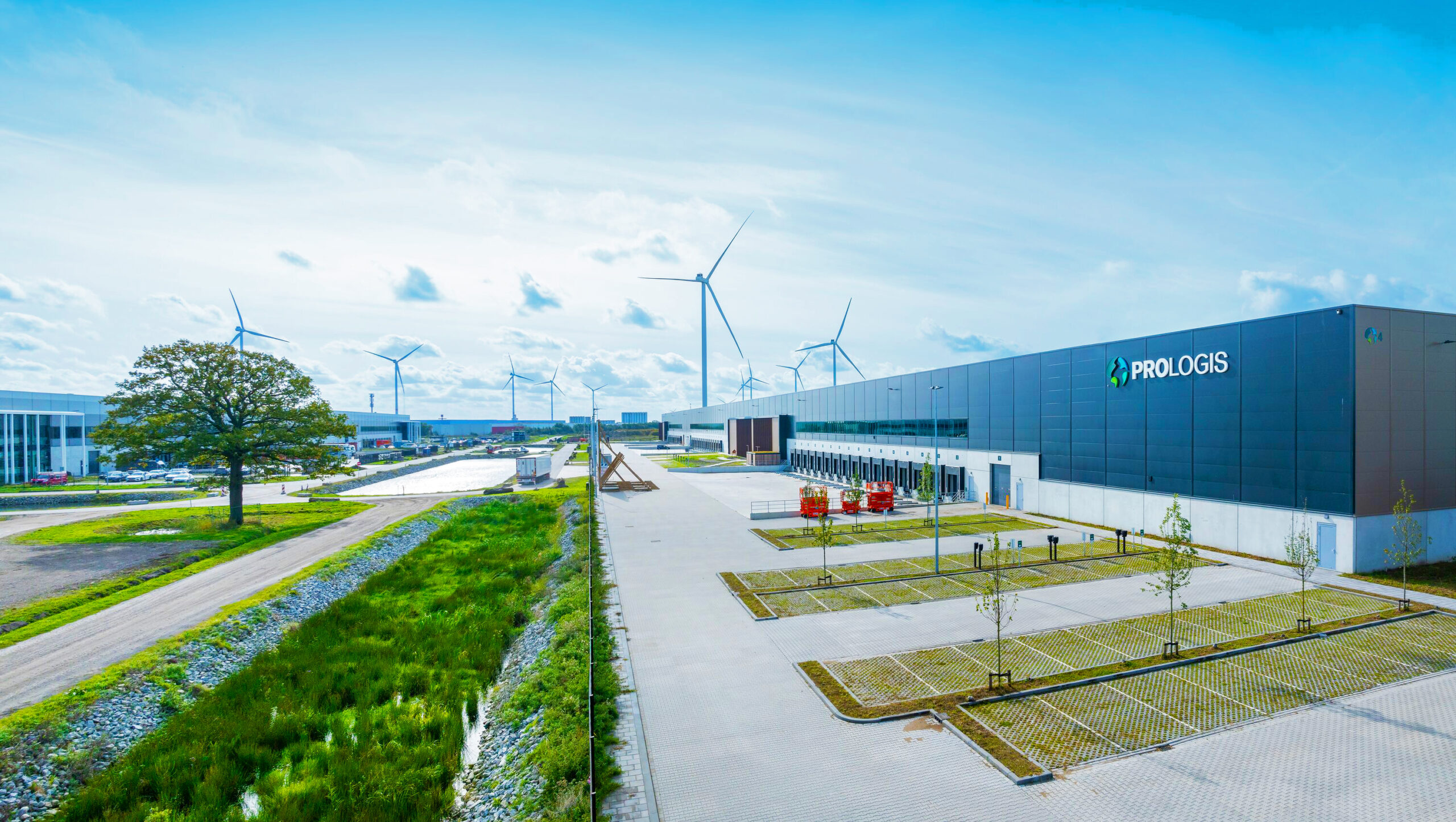
Prologis Essentials offers IoT-based systems designed for warehouse and logistics property management. Their smart lighting, energy tracking, and real-time equipment monitoring reduce utility costs and improve safety compliance.
Relevance: Prologis demonstrates how integrating smart technology within industrial facilities can significantly enhance efficiency. Property managers can make informed decisions using real-time data about energy use and equipment status.
Building Engines Property Management Platform
Building Engines is a platform that digitizes operational workflows in industrial property management. It helps manage work orders, inspections, and maintenance logs from a single dashboard. The mobile app allows on-site managers to respond quickly to maintenance issues.
Relevance: For industrial facilities that operate 24/7, responsiveness is crucial. This software enhances communication and coordination, ensuring seamless facility operations.
CBRE Industrial & Logistics Property Management
CBRE’s Industrial & Logistics Management division manages millions of square meters globally. Using integrated software and a data-driven approach, CBRE offers end-to-end services that include maintenance scheduling, sustainability consulting, and tenant relations.
Relevance: CBRE represents how professional property management firms combine technology and expertise to deliver optimized outcomes. Their approach shows how data analytics and global best practices drive performance and tenant satisfaction.
Benefits of Modern Industrial Property Management
Industrial property management powered by technology brings numerous tangible benefits.
- Operational Efficiency: Automated maintenance and energy monitoring reduce downtime and improve productivity.
- Cost Savings: Predictive analytics minimize expensive repairs and reduce energy costs.
- Tenant Satisfaction: Fast response times and transparent communication enhance long-term tenant relationships.
- Regulatory Compliance: Real-time monitoring ensures adherence to safety and environmental standards.
- Sustainability: Smart energy systems reduce carbon footprints and support corporate ESG goals.
These benefits create a competitive edge for both investors and property management firms, ensuring the property remains desirable and profitable over time.
Real-World Use Cases
Streamlining Warehouse Operations
An industrial park in Texas implemented IoT-based energy sensors and predictive maintenance through Yardi Voyager. The result was a 25% reduction in unplanned equipment downtime and a 15% decrease in electricity costs over one year.
Enhancing Tenant Communication
A logistics facility in Singapore adopted MRI Software to manage lease renewals and maintenance schedules. Automated notifications improved communication speed by 40%, leading to higher tenant retention.
Sustainable Manufacturing Site
A manufacturing complex in Germany used Prologis Essentials’ energy management system to monitor lighting and HVAC systems. They achieved a 20% reduction in energy usage while maintaining production quality.
Why Industrial Property Management Matters Today
Industrial property management is no longer limited to maintenance and leasing it now plays a pivotal role in business continuity, sustainability, and profitability. As industrial real estate becomes more data-driven, managers are expected to act as strategic partners who align property operations with corporate objectives.
Investors, too, benefit from professional management that maximizes property value through long-term tenant retention and efficient energy practices. This sector’s future lies in technological integration, sustainability, and adaptability to evolving supply chain demands.
Frequently Asked Questions (FAQ)
Q1: What differentiates industrial property management from commercial property management?
A: Industrial property management deals with large-scale operational facilities like warehouses or factories, requiring expertise in machinery maintenance, logistics, and compliance, unlike commercial management which focuses more on retail or office space operations.
Q2: How does technology improve industrial property management efficiency?
A: Technology enables predictive maintenance, energy optimization, and real-time reporting. Managers can access centralized data systems that reduce errors, improve tenant service, and enhance long-term asset performance.
Q3: Is industrial property management a good investment area?
A: Yes. With global logistics growth and rising demand for warehouses, professionally managed industrial properties can provide steady rental income and appreciation potential. Effective management ensures assets maintain value and attract reliable tenants.