The Role of Retail Property Managers in Modern Commercial Real Estate: Technology, Strategy, and Success
Retail property managers are key professionals responsible for maintaining, leasing, and optimizing the performance of retail spaces. These spaces include shopping centers, malls, strip complexes, and stand-alone retail outlets. The role goes beyond basic property upkeep; it involves managing tenant relations, overseeing operational efficiency, and ensuring profitability across commercial assets.
In the evolving retail landscape, where e-commerce competition challenges traditional stores, property managers play a vital role in reinventing how physical spaces operate. They balance the needs of property owners with those of tenants and customers, ensuring spaces remain attractive, accessible, and profitable.
The Core Responsibilities of Retail Property Managers
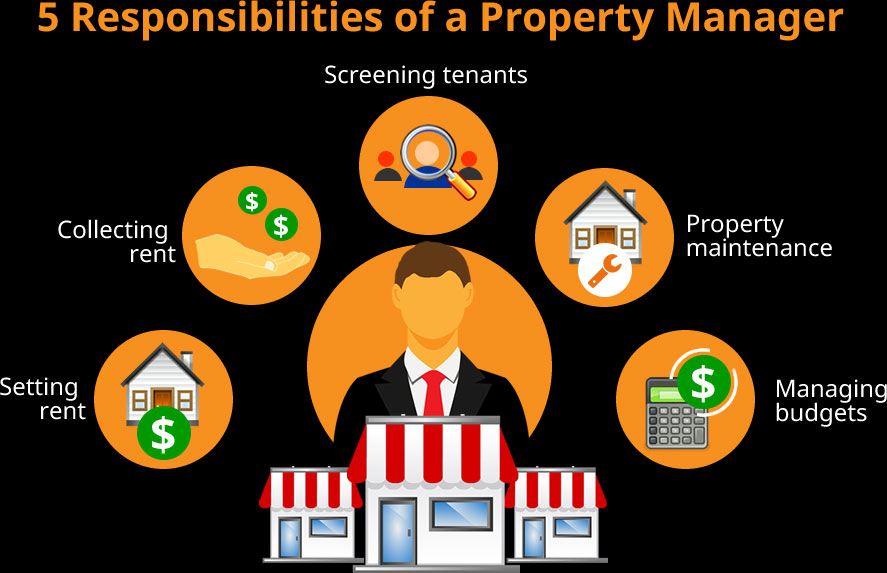
Retail property managers handle a diverse range of tasks. They ensure facilities are well-maintained, negotiate leases, manage budgets, and handle tenant improvements. A successful manager understands both the business and human sides of retail real estate, balancing market trends with consumer experience.
They also oversee marketing activities such as organizing events, promotions, and collaborations to increase foot traffic and tenant satisfaction. In many cases, retail property managers become the strategic link between commercial landlords and retail operators, ensuring the property’s long-term viability.
The Impact of Technology on Retail Property Management
The rise of digital transformation has significantly changed how retail property managers work. Advanced tools in data analytics, artificial intelligence, and facility automation have made operations more efficient.
Through technology, managers can monitor building systems remotely, analyze tenant behavior, and optimize energy usage, all contributing to cost reduction and better performance. Digital lease management platforms, for example, allow managers to streamline administrative work, enabling more focus on strategic planning and tenant engagement.
Smart property management systems also enhance sustainability efforts. IoT sensors help track lighting, heating, and air conditioning usage, ensuring environmental compliance while improving cost efficiency.
Real-World Examples of Retail Property Management Solutions
CBRE Retail Property Management
CBRE, a global real estate service provider, offers comprehensive retail property management solutions that leverage data analytics and sustainability practices. The firm helps owners enhance the value of their retail assets through performance insights, energy optimization, and tenant experience management.
Their platform integrates AI-driven data systems to identify inefficiencies and predict maintenance issues, reducing downtime and enhancing long-term property performance. CBRE’s data-driven approach demonstrates how technology is redefining retail property oversight.
JLL Retail Property Services
Jones Lang LaSalle (JLL) uses advanced retail analytics to support shopping center management, lease optimization, and operational transparency. Their systems analyze traffic flow, tenant mix, and sales data, helping property managers tailor strategies to match consumer behavior.
For instance, JLL’s technology assists property owners in identifying underperforming areas, recommending layout adjustments to increase dwell time and sales. The firm also emphasizes ESG (Environmental, Social, and Governance) principles to ensure properties meet sustainability benchmarks.
Cushman & Wakefield Retail Management

Cushman & Wakefield manages retail portfolios with a strong focus on customer engagement and digital integration. Their platforms track key performance indicators such as rent collection, vacancy rates, and tenant retention.
By employing AI-driven reporting and real-time dashboards, their managers can make data-backed decisions that enhance the financial performance of assets. This results in optimized operational costs, stronger tenant relationships, and improved customer satisfaction within retail environments.
Colliers International Retail Asset Management
Colliers International’s retail management solutions combine traditional expertise with modern technology. Their cloud-based platforms streamline lease management, automate maintenance workflows, and facilitate communication between tenants and property owners.
This integration creates transparency, minimizes human error, and accelerates service response times. Colliers’ use of predictive analytics also helps forecast potential property risks, improving overall asset resilience in fluctuating markets.
Brookfield Properties
Brookfield Properties operates some of the world’s most iconic shopping centers. Their retail management model emphasizes experience-driven operations, incorporating technology and events to enhance visitor engagement.
They use digital insights to monitor consumer trends and adjust retail tenant mix accordingly. For instance, Brookfield integrates mobile-based loyalty programs and interactive kiosks to blend online and offline customer experiences, ensuring their malls remain relevant in the digital age.
Benefits of Technology in Retail Property Management
Integrating technology provides numerous benefits for retail property managers. Digital dashboards, IoT systems, and AI-based analytics streamline administrative workloads and increase accuracy. These tools enable predictive maintenance, energy savings, and data-driven decision-making.
One of the biggest advantages is operational transparency. Property owners can track performance metrics in real time, tenants gain better communication channels, and customers experience smoother shopping environments. The outcome is a higher return on investment and reduced operational risks.
Additionally, technology helps managers understand customer preferences. Using analytics, property managers can recommend targeted events, promotions, or layout designs to attract more visitors and tenants. This data-driven approach transforms retail centers into dynamic, consumer-centric spaces.
Real-World Problem Solving
Optimizing Tenant Retention
Retail property managers face the ongoing challenge of maintaining occupancy. Through CRM systems and tenant feedback analysis, they can identify dissatisfaction early and offer customized lease terms or marketing support. This proactive management increases tenant retention and stabilizes revenue streams.
Improving Energy Efficiency
With IoT integration, retail managers can automate lighting, temperature control, and waste management. This not only reduces costs but also helps achieve environmental certifications, making properties more attractive to eco-conscious brands and investors.
Enhancing Customer Experience
By implementing mobile applications and digital wayfinding systems, property managers improve navigation, engagement, and shopping convenience. Smart parking solutions, loyalty apps, and interactive screens enhance the customer journey—turning physical retail into an experiential destination.
Streamlining Maintenance Operations
AI-driven maintenance tools can predict potential equipment failures, ensuring timely repairs before costly breakdowns occur. This minimizes downtime and improves tenant satisfaction, especially in high-traffic retail centers.
The Future of Retail Property Management
As technology evolves, retail property management will shift toward greater automation and data intelligence. Managers will increasingly rely on AI-driven predictive analytics to forecast market changes and optimize tenant strategies.
Sustainability will also remain a top priority. Green certifications and energy-efficient systems will not only cut costs but also strengthen brand value. The integration of mixed-use developments where retail, residential, and office spaces coexist will further expand the strategic role of retail property managers.
FAQs
1. What is the main responsibility of a retail property manager?
A retail property manager oversees the daily operations, maintenance, leasing, and financial performance of retail assets. They ensure tenant satisfaction, profitability, and long-term property value.
2. How does technology impact retail property management?
Technology streamlines administrative tasks, enhances energy efficiency, and provides data insights for better decision-making. AI and IoT systems allow managers to operate properties more efficiently and sustainably.
3. What skills are essential for a successful retail property manager?
Effective retail property managers combine financial expertise, negotiation ability, technological literacy, and strong communication skills to manage tenants, optimize operations, and maximize investment returns.